Queen Creek spends most of the year trying to stay cool. From spring deep into the fall, air conditioners in the newer communities and out on the acreage properties run for hours every day, pulling air through the house and back through the ductwork. Then, some evening in late fall, the temperature drops far enough that someone reaches for the thermostat and switches it to heat for the first time since spring.
That first switch is when a lot of homeowners find out what the summer left behind. The furnace or heat pump in most homes is not a separate system tucked away on its own. It shares the same blower, the same filter and the same ductwork as the air conditioning. Here is what builds up over a long Arizona summer, why it matters, and what to do about it before winter arrives.
Your heat and your AC share the same system
In most Queen Creek homes, heating and cooling run through one air handler. The same fan that pushes cool air in July pushes warm air in December, and it does it through the same supply runs and returns. The only thing that changes is what happens to the air as it passes through the equipment.
That shared design is efficient, but it means months of heavy cooling put dust and debris into a system that includes the heating parts. Those parts sit cool and untouched all summer while air flows past them day after day. Whatever settles on them stays there until the heat comes on.
What settles on the heating side over summer
Summer air in Queen Creek carries a lot of fine material. The town borders open desert and farmland, so wind-blown dust is heavy out here, and the AC runs most of the day through the summer pulling it through your vents. Add pet hair, household dust and the grit that comes in every time a door opens, and a system collects a steady layer of it all season long.
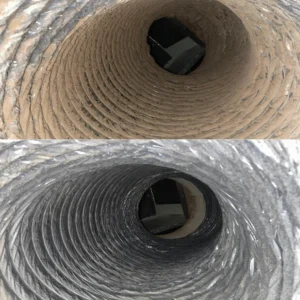
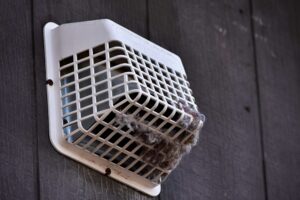
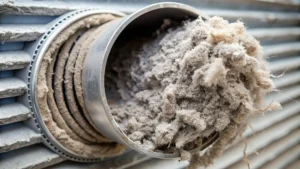
The filter catches the larger particles, but fine dust gets past even a good filter over time. It coats the blower wheel, settles in the bottom of the air handler cabinet and clings to the inside of the ducts. None of it is visible from the living room, which is exactly why it tends to surprise people.
That burning smell on the first cold night
If you have ever switched on the heat for the first time in the fall and noticed a dusty, slightly burnt smell drifting out of the vents, you have met this problem directly. That smell is usually the summer’s dust warming up on heating surfaces and being blown through the house.
A faint smell that fades within an hour is common after a long idle stretch. A strong smell that keeps coming back, or one that lingers every time the heat runs, is a sign that there is more built up in the system than a single warm cycle can clear. It is also the kind of thing worth dealing with before a string of cold nights has the heat running for hours at a time.
Keep in mind that the smell tells you the dust is there, not how much of it there is. A system that has gone several summers without attention can be carrying far more than a single burnt-dust smell suggests, especially in homes that were never cleaned after construction.
New Queen Creek homes start with construction dust
It is natural to assume a newer home has a clean system. In practice, a lot of the dust in a newer house was sealed inside the ducts during the build.
Master-planned communities
The newer master-planned communities like Encanterra, Whitewing and Cortina look spotless, but the ductwork frequently still holds drywall and sawdust from construction. During a build, a great deal of material gets cut and sanded while the system is open or even running. That fine debris settles into the air handler and the ducts and waits there, and the first heating season can stir it back into the house.
Acreage and horse properties see more of it
Queen Creek still has its equestrian and acreage side, and homes on open land near dirt roads, arenas and fields collect dust fast. Every breeze across a dirt lot carries fine soil toward the house, and every time a door or garage opens some of it comes inside.
For these homes the heating side of the system tends to be loaded more heavily than it would be in a tighter subdivision. If you live on acreage and have noticed dust coming back on surfaces quickly, the air handler is very likely carrying a good share of it.
Why changing the filter is not enough
A fresh filter is always a good idea before the heating season, and it helps. What it does not do is remove what has already gotten past the old filter. Dust sitting on the blower, inside the cabinet and along the duct runs is downstream of the filter, so a new one simply stops adding to the pile. It does nothing about the pile itself.
That is why a home can have a clean filter and still smell dusty every time the heat comes on. The filter is doing its job. The material it missed over the summer is still in the system.
Signs the heating side needs attention
A burning or dusty smell that returns every time the heat runs is the most obvious sign. Others are warm air that feels weaker than it did last winter, rooms that heat unevenly, dust settling on furniture soon after cleaning, and a system that seems to run longer than it should to reach the temperature on the thermostat.
Anything involving gas lines, burners or a cracked heat exchanger is a job for a licensed HVAC technician, and if you ever smell gas, leave the house and call your gas company right away. A dusty smell is a different and far more common problem, but it is worth knowing where that line sits.
When to schedule before winter
The best time to have the heating side looked at is before you actually need it. Late summer into early fall, while the house is still in cooling mode, gives you time to have the system cleaned before the first cold snap instead of scrambling after the smell shows up. It also tends to be easier to find a convenient appointment before everyone else in the neighborhood reaches for the thermostat on the same chilly week.
It also helps to think about who is in the house. If anyone in your household is bothered by dust, or you have family coming to stay over the holidays, a clean system before the cold weather arrives means the first weeks of heating feel fresh instead of dusty. Putting in a new filter at the same time finishes the job and gives the cleaned system a clean start.
What a furnace and air handler cleaning involves
We look before we clean
We start by inspecting the air handler and the ductwork and filming what we find, so you can see the condition of your own system instead of taking our word for it.
The blower, cabinet and ducts
Cleaning focuses on the places the summer’s dust collects: the blower, the air handler cabinet and the supply and return runs. The system is cleaned under negative pressure so loosened debris is pulled out of the house rather than blown into your rooms.
Proof on video
When the job is done you get before and after video of the work, so you can see exactly what came out. You can read more about the service on our furnace and air handler cleaning page.
Cleaning the ducts at the same time
Because the heat and the AC share the same ductwork, cleaning only the equipment and leaving the ducts untouched means dust from the runs can drift right back into a freshly cleaned air handler. For most Queen Creek homes that have gone a few years, it makes sense to do both together. Our Queen Creek service page covers what a full duct cleaning includes for homes in town.
How often the heating side needs attention
There is no single schedule that fits every home. A tighter home in one of the newer communities with a good filter and no pets may go several years between cleanings. A home on acreage near dirt roads and fields, a house with several pets, or a newer build that still holds construction dust will usually need attention sooner. The honest approach is to inspect the system and clean it when the inspection shows it is needed, rather than on a fixed calendar that has nothing to do with what is actually inside your air handler.
If you do not know when the system was last cleaned, or you bought the home from someone who could not tell you, that alone is a good reason to have it looked at before the heating season starts.
We know Queen Creek
We are family owned and have served Queen Creek and the southeast Valley since 2015. We are BBB accredited, we hold a 4.6 star rating across more than 640 Google reviews, and every job carries a one year warranty. We answer the phone 24 hours a day.
If you would like your Queen Creek home ready before the first cold night, call us at (623) 200-4222 or book a visit online. We will show you what is inside your system and tell you honestly what it needs.